
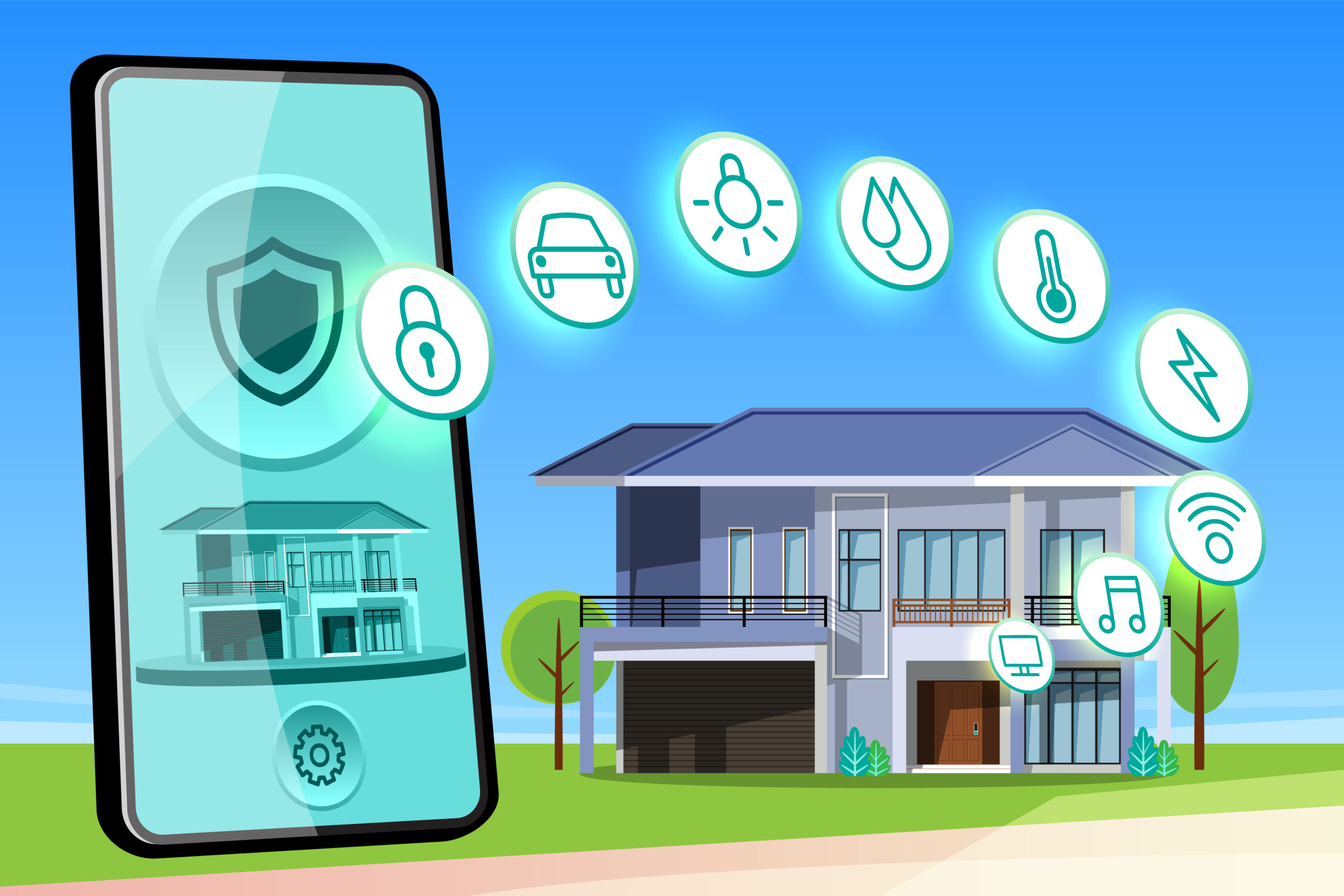
Australian homes now routinely include smart TVs, cameras, speakers, locks, lights and even connected appliances, all communicating over home Wi‑Fi and cloud platforms. As this ecosystem grows, attackers increasingly target weak default passwords, unpatched devices and insecure mobile apps to gain access to home networks.
Thank you for reading this post, don't forget to subscribe!The Australian Government has recognised that consumer-grade devices are now part of national cyber risk, not just personal convenience. In response, policy, regulation and technical standards are being reshaped to make “secure by design” the default for smart devices sold in the Australian market.
Key IoT security regulations for 2025
From this Act flow the Cyber Security (Security Standards for Smart Devices) Rules 2025, which set mandatory minimum security requirements for most consumer smart products.
For homeowners, this means new smart products on shelves will increasingly be built and marketed with security guarantees, clearer documentation and ongoing update commitments.
What the new standards actually require
The 2025 smart device rules in Australia IoT security focus on closing the most common and dangerous weaknesses seen in consumer IoT over the past decade. At a high level, they translate into practical outcomes that every buyer and installer should understand and look for in product information and packaging.
Key requirements include:
- No universal default passwords – devices must ship with unique credentials or force users to create strong passwords during setup, eliminating simple factory logins that attackers scan the internet for.
- Clear vulnerability reporting channels – manufacturers must publish how security researchers and customers can report flaws, along with response timeframes for acknowledging and fixing issues.
- Minimum security update periods – vendors must state how long they will provide security patches and cannot shorten that period once advertised.
- Statements of compliance – suppliers must document that products meet the required standards and retain this information for a defined number of years.
Why IoT security matters more in 2025
Australia IoT security most recent cyber threat reporting highlights steady growth in attacks leveraging insecure devices and home networks as stepping stones for broader fraud, extortion and data theft. Smart cameras, routers and sensors are often hijacked into botnets, used for credential stuffing or exploited to spy on occupants if left unprotected.
Stronger security is no longer just about preventing downtime; it is about protecting sensitive personal information and maintaining trust in connected lifestyles.
How Australian homes are upgrading security
In 2025, security upgrades are happening at three main layers: device, network and user behavior.
On the device side, more Australians are:
- Choosing products from brands that clearly advertise compliance with Australia IoT security rules and international IoT standards.
- Enabling automatic updates wherever possible to ensure vulnerabilities are patched promptly.
- Reviewing app permissions and disabling unnecessary features like remote access or cloud recording when not needed.
At the network level, common upgrades include:
- Using separate Wi‑Fi networks or VLANs so smart devices are isolated from work laptops and personal data.
- Replacing legacy routers with models that support modern encryption, automatic firmware updates and anomaly detection features.
Snapshot: Australia vs other IoT regimes
Practical security checklist for Aussie smart homes
For readers of Task Web Tech looking to implement this knowledge, a straightforward checklist helps turn regulation into action.
- Check compliance and support
- Look for references to Australia’s smart device security standards or equivalent international certifications in product documentation.
- Confirm the vendor’s stated security update period and assess whether it matches the expected life of the device.
- Secure setup from day one
- Change any suggested simple passwords and use long, unique credentials stored in a password manager.
- Enable automatic firmware updates and multi‑factor authentication for associated cloud accounts.
- Segment and monitor your network
- Place IoT devices on a guest or dedicated IoT network to contain potential compromises.
- Regularly review your router logs and device list, removing old or unknown hardware.
- Maintain an asset inventory
- Keep a simple list of all smart devices, including purchase dates, support periods and associated accounts.
- Use this list to decide when to retire unsupported equipment that no longer receives security updates.
- Stay informed about threats and recalls
- Follow updates from Australian cyber authorities and trusted security vendors regarding new IoT vulnerabilities and product advisories.
- Act promptly when notified about critical patches, leaked credentials or device recalls.
The future of secure smart living in Australia
These developments aim to ensure that even as homes become more complex digitally, security management for the average household becomes simpler and more automated.
For homeowners, the key mindset shift is to treat every connected device as part of the security perimeter, just like doors and windows.

Recent Posts
- How to Create SEO-Friendly Blog Content: A Complete Guide for 2026
- Best AI Tools for Image & Video Creation: A Comprehensive Guide for Content Creators
- How to Start a Blog Website in 2026: The Complete Step-by-Step Guide
- AI vs Human Content: Which is Better for SEO?
- Top Free AI Tools for Bloggers (No Investment) – Complete Guide