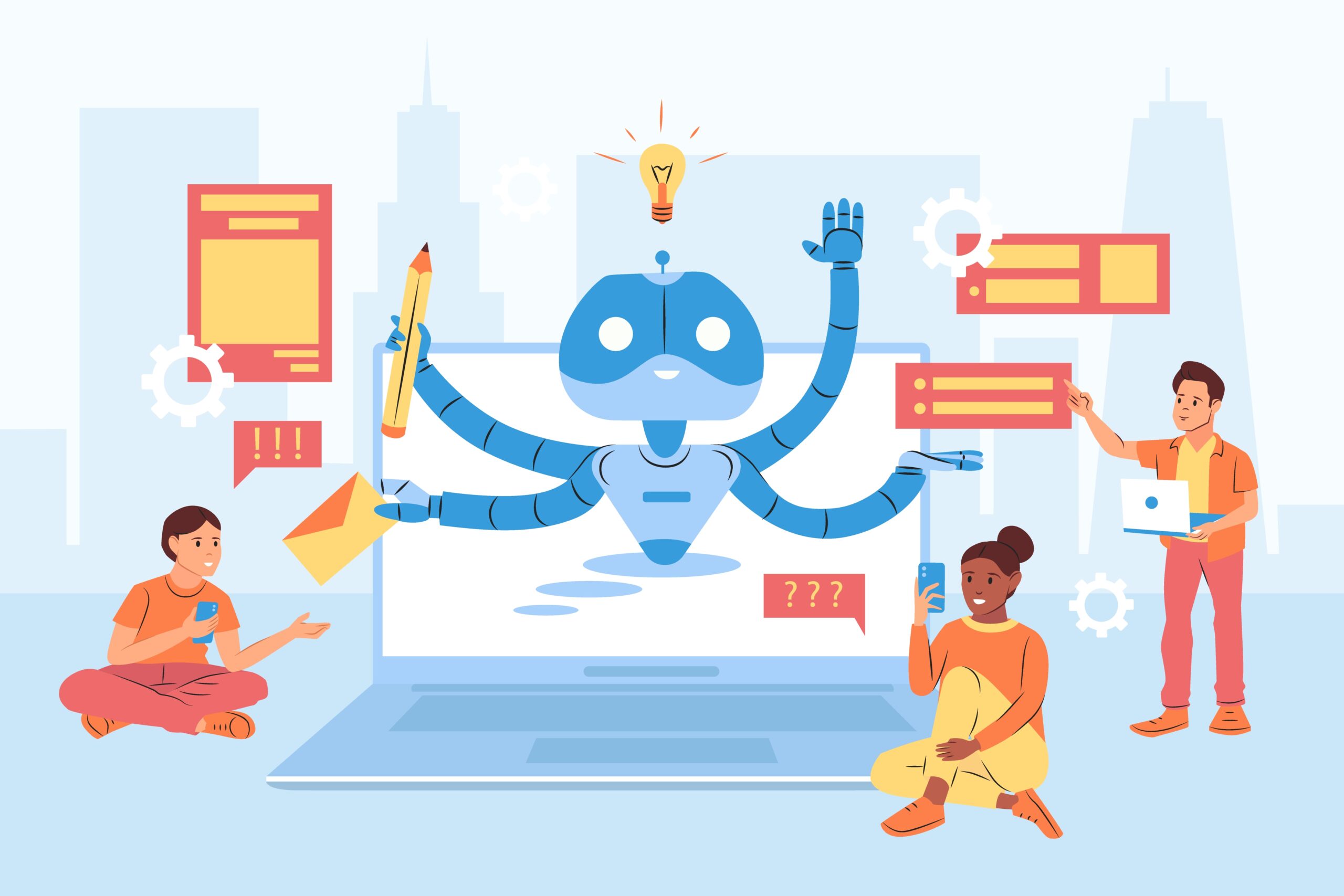
In the fast-evolving digital landscape of 2026, artificial intelligence (AI) has become an indispensable ally for professionals and businesses aiming to enhance productivity. The surge in AI-powered tools has revolutionized how we manage time, streamline workflows, and automate repetitive tasks.
This blog explores the top AI tools for productivity in 2026, highlighting their unique features, applications, and benefits to help you work smarter and achieve more with less effort.
Why AI Tools Matter for Productivity
The rapid growth of AI technologies has brought profound changes to the workplace. With increasing workloads and tighter deadlines, AI tools help eliminate mundane tasks, reduce human error, and provide actionable insights.
These tools improve decision-making, foster collaboration, and optimize task management, enabling individuals and teams to focus on high-impact activities that drive results.
Leading AI Tools for Productivity in 2026
1. ChatGPT and Advanced AI Assistants
OpenAI’s ChatGPT remains at the forefront as an AI assistant, supporting productivity by generating content, answering complex queries, automating customer support, and drafting emails.
The latest versions have expanded capabilities to integrate seamlessly with productivity suites like Microsoft Office and Google Workspace, transforming everyday communication and content creation into efficient, AI-powered processes.
2. Zapier AI for Workflow Automation
Zapier has evolved into a powerful AI-driven automation platform that connects hundreds of apps. Users can create automated workflows to handle repetitive tasks such as data entry, email summarization, and task assignment without writing a single line of code.
Integrating AI means workflows adapt intelligently, enhancing speed and accuracy while saving valuable time.
3. Notion AI for Unified Knowledge Management
Notion AI is transforming knowledge management by organizing, summarizing, and tagging notes automatically. It helps teams stay aligned by creating smart databases that update in real-time.
Its AI capabilities support brainstorming, project tracking, and document generation, allowing users to centralize information and access critical data effortlessly.
4. Motion and Asana for AI-Powered Task Management
Motion and Asana incorporate sophisticated AI features that optimize scheduling, prioritize tasks, and predict project risks. Motion’s AI dynamically adjusts your calendar based on priorities and deadlines, preventing overload and improving time allocation.
Asana’s AI provides intelligent task suggestions and workflow visibility, empowering teams to anticipate challenges and streamline collaboration.
5. Otter.ai and Fireflies for Meeting Transcription
Transcribing and summarizing meetings has never been easier thanks to AI tools like Otter.ai and Fireflies. These tools capture every word, highlight action items, and generate comprehensive summaries.
This functionality ensures that no critical information is missed and that follow-ups happen promptly, boosting meeting efficiency.
6. Midjourney and Canva AI for Creative Productivity
AI-powered design tools such as Midjourney and Canva enable quick, high-quality visual content creation. Midjourney uses AI to generate stunning images from text prompts, while Canva’s AI tools assist with layout suggestions, color matching, and template selection.
These tools reduce the creative workload, allowing marketers and content creators to focus on strategy and innovation.
7. Reclaim and Clockwise for Intelligent Scheduling
Maintaining a balanced schedule becomes effortless with AI-powered calendar assistants like Reclaim and Clockwise. They analyze your habits and deadlines to protect focus time, schedule breaks, and optimize meetings.
By intelligently managing your calendar, these tools help prevent burnout and enhance overall productivity.
8. Superhuman AI for Email Management
Email overload is a significant productivity challenge. Superhuman AI addresses this by offering AI-generated reply suggestions, prioritizing important messages, and filtering distractions. Its fast, intuitive interface combined with AI capabilities allows professionals to manage their inboxes more effectively and respond swiftly.
9. Perplexity Pro and Humata for Research Assistance
Research tasks are accelerated with AI tools such as Perplexity Pro and Humata. These platforms quickly process vast amounts of data, provide accurate summaries, and help users find relevant information. They excel in delivering in-depth insights, making them indispensable for knowledge workers and researchers.
How to Choose the Right AI Tool for You
Choosing the most suitable AI productivity tool depends on your specific workflow needs and industry requirements. Consider factors like integration with existing platforms, usability, AI sophistication, and privacy policies.
A well-chosen tool can seamlessly blend into your daily routine, boosting efficiency without overwhelming you with complexity.
Staying Ahead with AI in 2026
As AI technologies continue to advance, staying informed about the latest tools and trends is crucial. Experimenting with AI-powered productivity tools allows you to discover new ways to automate tasks, improve communication, and enhance decision-making. Embracing AI empowers you and your team to maintain a competitive edge in a fast-paced digital world.
By leveraging these top AI productivity tools in 2025, individuals and businesses can unlock unprecedented efficiency, accuracy, and creativity.
Whether you aim to automate workflows, manage tasks smarter, or create compelling content faster, AI is the game-changer that will redefine how productivity is achieved in the years to come.
Frequently Asked Questions (FAQ's)
AI productivity tools use artificial intelligence to automate tasks, organize information, and streamline workflows. They help users save time, reduce manual effort, and increase overall efficiency in tasks like scheduling, writing, research, and team management.
Popular AI-powered assistants like Motion and Notion AI can automatically prioritize tasks, manage calendars, and help you organize your daily to-do lists with smart suggestions based on your work patterns.
Yes, tools like Otter.ai and Fireflies transcribe and summarize meetings, while platforms such as Asana use AI to assign tasks and track progress, leading to clearer communication and smoother teamwork.
Most well-known AI productivity tools follow strict privacy policies and security protocols, but it’s important to review each tool’s data policies and ensure it aligns with your company’s standards before use.
Identify your main workflow challenges—such as time management, note-taking, or email overload—and match them with the specific features of AI tools. Reading user reviews, trying free demos, and considering app integrations can also help you make an informed choice.