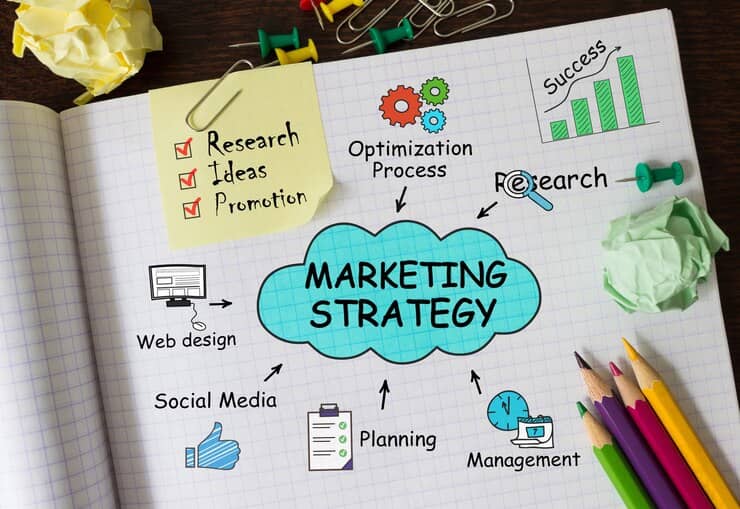
In 2026, tier-1 markets like the US, UK, and Canada will be dominated by zero-click searches and hyper-personalization, making current digital marketing strategies ineffective. In order to provide AI Marketing Strategy for bloggers, agencies, and e-commerce executives with future-proof methods, Task Web Tech offers this E-E-A-T-aligned playbook that draws on established trends.
AI Rethinks Customization
Through hyper-personalization and behavior analysis for real-time content changes across channels, improves AI Marketing Strategy. By employing AI segmentation to target micro-audiences in tier-1 regions with emails, advertising, and suggestions, brands can reduce their client acquisition costs by more than thirty percent. By preventing mistakes like Air Canada’s chatbot mistakes that resulted in legal expenses, human control guarantees the authenticity of the brand voice.
With tools including first-party data for privacy-compliant targeting under GDPR and CCPA amendments, expect predictive analytics to forecast trends. Using AI for dynamic pricing and product recommendations increases e-commerce sites’ conversion rates by 15–20%.
SEO Is Dominated by Human-First Content
E-E-A-T is given priority by search engines, which prefer human-written information over AI-generated content that lacks real-world experience. While AI overviews claim more than 50% of inquiries and reduce organic clicks by 20–35%, author bylines, citations, and transparent disclosures improve ranks. While serving users, optimize with succinct Q&As, lists, and tables to show up in summaries.
Conversational FAQs and rich alt text are required as voice and visual search become more prevalent through tools like Google Lens and ChatGPT chats. Zero-click losses are countered by branded search strategies and YouTube integration, with human content surpassing AI by highlighting specialized knowledge.
Multichannel and Video-Based Lead Generation
By converting blogs into reels or infographics for smooth tier-1 trips, omnichannel initiatives integrate experiences across platforms. With the addition of interactive tests and augmented reality demonstrations, short-form videos on TikTok and YouTube Shorts generate 70% more interaction than static posts.
Shoppable streams and user-generated content (UGC) serve as trust signals in social commerce, where micro-influencers generate five times the return on investment compared to celebrities. Discord and WhatsApp private communities encourage loyalty by moving away from bulk advertisements and toward full-funnel storytelling.
Engagement Outperforms Conventional Measures
Track scroll depth, video view duration, and brand mentions instead of click-through rates, which are declining due to zero-click dominance. True visibility is indicated by impression share in AI results and newsletter growth, with engagement KPIs directing adjustments.
| Metric Shift | Old Focus | 2026 Priority | Impact |
|---|---|---|---|
| Traffic | CTR, Pageviews | Scroll Depth, Watch Time | +40% Retention |
| Visibility | Organic Clicks | AI Citations, Mentions | 30% Brand Lift |
| Conversion | Bounce Rate | Subscriptions, Interactions | 25% Higher ROI |
Practical Playbook Procedures
Examine content for E-E-A-T gaps; within 30 days, add sources and expert profiles. Use AI techniques for personalization, such as predictive CDPs, and start with 20% of traffic. Create multichannel calendars that repurpose top performers for communities and videos.
Invest in advocate-rewarding UGC initiatives with a quarterly engagement growth target of 10%. Track using Search Console and Google Analytics 4, then switch to voice-optimized long-tails. In tier-1 markets, agencies who use these report revenue increases of 18–25%.
Localization and sustainability message increase attractiveness on a global scale, and edge computing allows for real-time adjustments. Remain flexible: 2026 will reward adapters who combine human authenticity with AI efficiency to maintain dominance.